
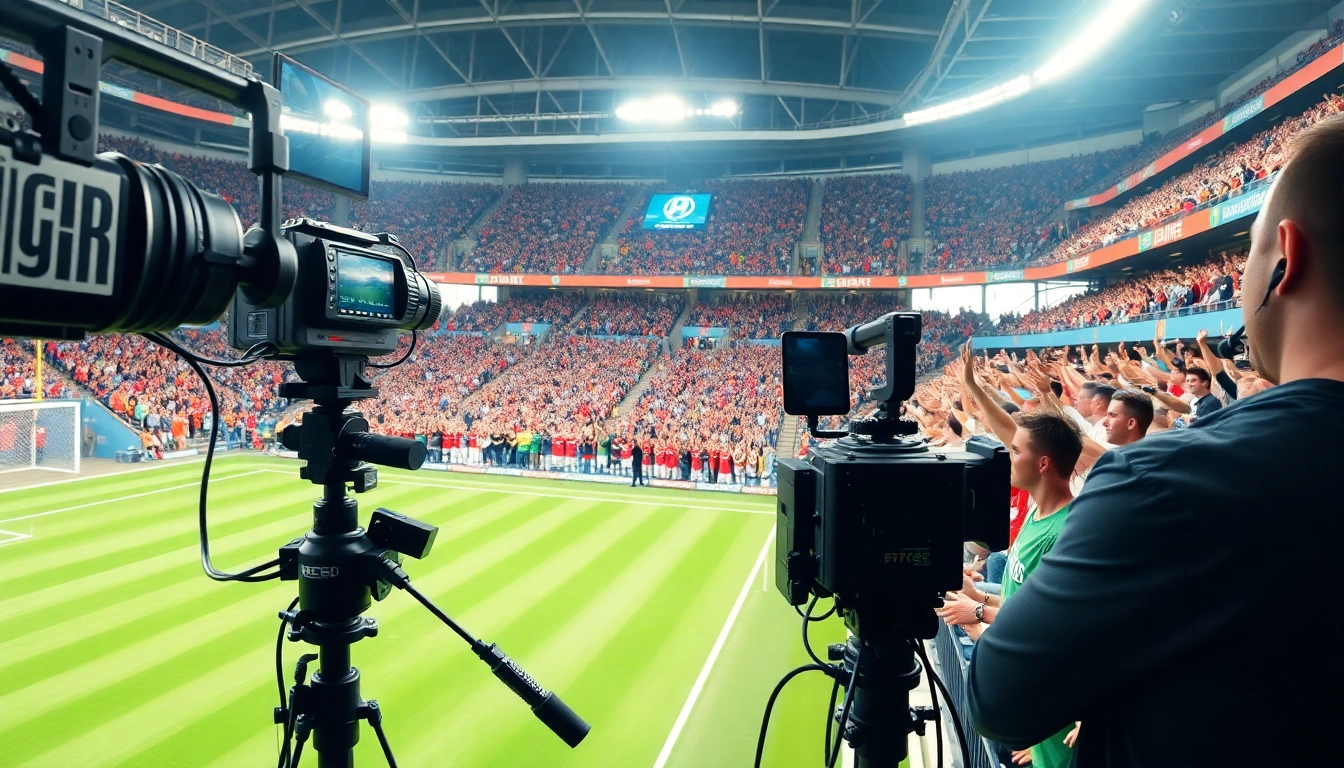
Understanding Sports Broadcasting
Sports broadcasting has fundamentally transformed the way fans engage with their favorite teams and events. This dynamic field allows sports aficionados to relish every moment, whether they are watching live or tuning in later. As a core pillar of the entertainment industry, Sports Broadcasting encompasses a range of platforms, technologies, and narratives that create immersive experiences for viewers.
What is Sports Broadcasting?
Sports broadcasting refers to the dissemination of live or pre-recorded sports events through various channels such as television, radio, and online streaming platforms. It encompasses not only the event itself but also the commentary, analysis, and context that enriches the viewing experience. This field aims to connect fans with the excitement and emotion of sports, enhancing their enjoyment and involvement.
History and Evolution of Sports Broadcasting
The journey of sports broadcasting began in the early 20th century. The first radio broadcast of a sporting event took place in 1921, featuring a boxing match. Television broadcasts soon followed, with the inaugural telecast of a baseball game occurring in 1939. As technology advanced, so did the quality and reach of broadcasts. The introduction of color television, satellite broadcasting, and live streaming reshaped the landscape, making sports more accessible to global audiences and pioneering the fan engagement strategies we observe today.
Current Trends in Sports Broadcasting
Today’s sports broadcasting environment is characterized by rapid changes driven by technology and shifting viewer preferences. Significant trends include the rise of digital streaming platforms, the integration of augmented and virtual reality, and the increasing importance of social media engagement. These trends not only attract new audiences but also foster deeper connections between fans and their sports heroes.
The Technology Behind Sports Broadcasting
Key Equipment for Sports Broadcasting
The technology utilized in sports broadcasting encompasses a variety of equipment designed to deliver high-quality content. Essential items include high-definition cameras, audio mixing equipment, broadcasting trucks, and editing suites. These tools enable broadcasters to capture, process, and transmit live events with clarity and precision, ensuring that viewers do not miss a second of the action.
The Role of Streaming Services
Streaming services have revolutionized sports broadcasting by providing viewers with unprecedented access to live events. Platforms such as OTT (Over-the-Top) services offer flexibility, allowing fans to watch on various devices at their convenience. This shift not only expands audiences but also enables targeted advertising and personalized content delivery, enhancing the viewer experience.
Innovations Enhancing Live Broadcasts
Innovation is at the heart of modern sports broadcasting. Technologies like drones for aerial shots, wearable tech for real-time stats, and enhanced graphics have transformed how events are presented. Features such as instant replay and multi-angle viewing options have also improved the clarity of broadcasts, making them more engaging and informative for audiences.
Engaging Viewers in Sports Broadcasting
Creating Interactive Experiences for Audiences
Viewer engagement has evolved beyond passive observation to interactive participation. Broadcasters incorporate interactive features such as polls, live chats, and social media integrations to enhance the spectator experience. By allowing fans to influence commentary or engage in real-time discussions, sports broadcasts foster a community atmosphere that resonates deeply with audiences.
Utilizing Social Media in Sports Broadcasting
Social media plays a pivotal role in sports broadcasting today. Platforms like Twitter, Instagram, and Facebook are utilized by broadcasters to share highlights, behind-the-scenes content, and interactively engage fans. The social media sphere not only extends the reach of broadcasts but also encourages real-time discussions among fans, enhancing their connection to the event.
Building Community Around Broadcasted Events
Community-building is an essential aspect of sports broadcasting. By creating fan forums, hosting viewing parties, and encouraging user-generated content, broadcasters foster a sense of belonging among viewers. This practice cultivates loyalty and promotes ongoing engagement, ultimately driving sustained interest in events and leagues.
Best Practices for Sports Broadcasting
Essential Strategies for Effective Broadcasting
To achieve effective sports broadcasting, several strategies should be prioritized. Clear communication, stunning visuals, and an engaging narrative are vital. Tailoring content to the specific preferences of your audience and maintaining a consistent schedule yields better viewer retention and satisfaction.
Improving Broadcast Quality and Clarity
Quality and clarity are critical for successful sports broadcasting. This can be achieved through the use of high-resolution cameras, optimized broadcast environments, and professional audio equipment. Continual training for technical staff and talent also ensures that the broadcast remains sharp, engaging, and free from distractions.
Leveraging Data Analytics in Broadcasting
Data analytics plays a crucial role in improving sports broadcasts. By analyzing viewer metrics, broadcasters can gain insights into audience preferences, peak viewership times, and engagement levels. This data helps inform content strategy and commercial decisions, ensuring that broadcasts align with audience expectations and lead to higher satisfaction rates.
Measuring Success in Sports Broadcasting
Key Metrics for Evaluating Broadcast Performance
Measuring the success of sports broadcasts involves analyzing several key performance indicators (KPIs). Metrics such as viewership numbers, engagement rates, and audience retention are essential for evaluating a broadcast’s effectiveness. Analyzing these metrics over time can signal trends and highlight areas for improvement.
Understanding Audience Feedback and Preferences
Listener and viewer feedback is invaluable in sports broadcasting. Surveys and social media interactions can provide insights into what fans enjoy or dislike. Emphasizing audience input and integrating their preferences into future broadcasts enables a more tailored experience that keeps fans coming back for more.
Future of Sports Broadcasting and Viewer Engagement
The future of sports broadcasting appears bright as technology continues to evolve and enhance viewer experience. Innovations like artificial intelligence for commentary, increased reliance on data analytics, and advancements in 5G technology will further enrich the landscape. Broadcasters who prioritize engagement, refine their strategies, and embrace these technologies will likely lead the industry into new horizons.
Frequently Asked Questions
What is the difference between terrestrial and satellite broadcasting?
Terrestrial broadcasting uses radio waves sent through antennas for transmission, while satellite broadcasting relies on satellites communicating signals directly to satellite dishes on the ground.
How have streaming services impacted traditional sports broadcasting?
Streaming services have increased competition, offering viewers more flexibility and choices than traditional broadcasters, leading to a shift in how fans access sports content.
What role does social media play in enhancing viewer engagement?
Social media allows real-time interaction, sharing of highlights, and connection among fans, driving higher engagement and community-building around sports events.
Why is data analytics important in sports broadcasting?
Data analytics helps broadcasters understand audience preferences, optimize content, and make informed decisions, ultimately enhancing viewer satisfaction and retention.
What are the emerging technologies shaping the future of sports broadcasting?
Emerging technologies such as augmented reality, virtual reality, and advanced data visualization are significantly shaping how audiences experience sports broadcasts.